A single-speed cruiser, a seven-speed Dutch-style roadster or a secondhand mountain bike with the bars flipped up, ridden on the same errands
Flat town, two-mile errand, three bikes worth buying. What each one really costs
Eat Drink Saratoga
A two-mile errand on flat ground is a small enough job that almost any bicycle will do it once. The question is which one still does it cheerfully in the eighteenth month, in the rain, with a gallon of milk and a bag of hardware on the back, after nobody has touched it with a wrench since the day it left the shop. That narrows the field fast. Three kinds of bike survive that test in a flat town, and the money each one asks for is arranged very differently, which is the part most buying advice skips.
The single-speed cruiser, and where the money actually goes
The cruiser is the cheapest bike to buy and the one most likely to arrive incomplete. Wide tires, swept-back bars, a coaster brake or a simple caliper, one gear, and a saddle broad enough to sit on in ordinary clothes: that combination is genuinely well matched to flat streets and short distances, which is why the category has outlived every trend that was supposed to replace it. Shops and direct sellers list them under Beach Cruiser Bikes, and the sticker on the box is rarely the number you end up spending. Add a rack or basket, decent fenders if none are fitted, a lock you would actually trust overnight, and an hour of assembly correction by someone competent, and the real cost lands well above the advertised one.
What you get for that is a bike with almost nothing to break. One cog, one chainring, no derailleur hanging in harm's way, no shift cable to stretch. The maintenance bill for the first two years is close to tires, a chain, and brake pads, and a coaster-brake model does not even need the pads. If your errand route has no hill worth the name and you are not carrying much more than groceries, the cruiser is not a compromise. It is the correct tool, and the money you did not spend on gears stays in your pocket.
The internally geared roadster, and why it costs more up front
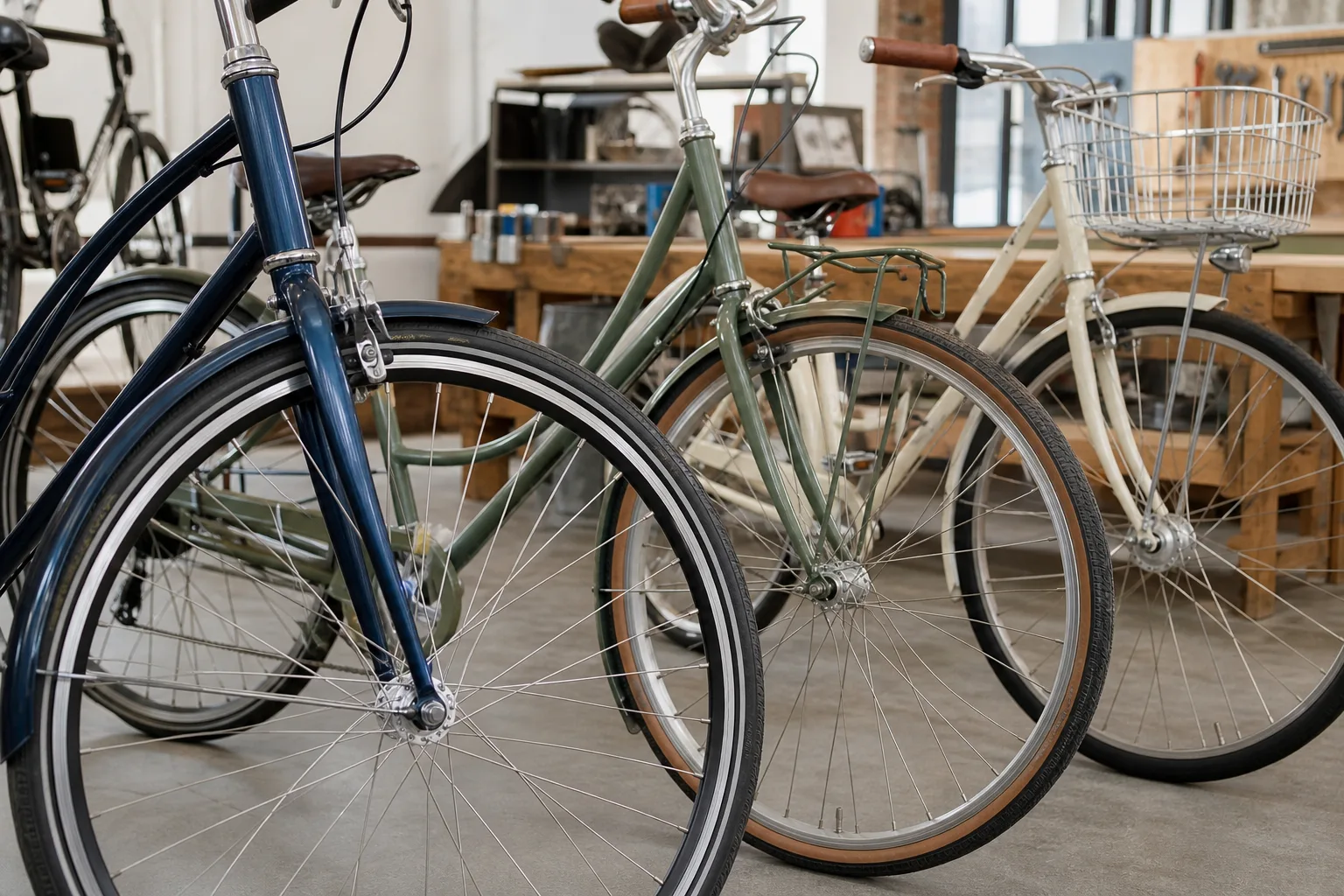
A roadster with a three-, five- or eight-speed hub is the expensive answer that gets cheaper as the years pass. The gears live inside the rear hub, sealed away from grit and salt, and you can shift them standing still at a light, which matters more on a stop-and-go errand route than any top-end gear ratio ever will. These bikes usually come already sorted: full fenders, a chaincase or chainguard, a rack, integrated lighting on the better ones, and a kickstand that holds the bike up while you load it. That equipment is the reason the price is what it is, and it is also the reason you stop buying accessories.
The hub itself asks very little. An oil change or service at long intervals, a shift cable eventually, and a chain that lasts far longer than an exposed one because it runs in a straight line under a guard. What you are paying for is the absence of decisions. If your trips are short but frequent, if the bike will live outside or in an unheated garage, and if you want to leave it alone for a season without penalty, the roadster earns the difference back in trips taken rather than dollars saved.
The converted secondhand mountain bike, and the honest arithmetic
A rigid or hardtail mountain bike from the 1990s is the cheapest way onto a genuinely good frame, and the conversion is the point: a swept-back or riser bar to put you upright, a shorter stem to pull the grips back, a saddle you can sit on rather than perch on, fenders, a rack, and often new tires because whatever is on it has gone hard and square. Do all of that at a shop and the labor plus parts can approach the cost of a new cruiser. Do it yourself over a few evenings and it is the least expensive bike here by a wide margin.
Two cautions, both solvable. Old bikes hide their wear in the drivetrain and the wheels, so budget for a chain, a cassette and a truing session before you find out the hard way, and check the brake pads and cables, which are cheap and almost always shot. The Consumer Product Safety Commission is responsible for the federal requirements that new bicycles sold in the United States are built to, and a secondhand bike carries none of that assurance forward, so the pre-ride inspection is on you. Done properly, the result is a durable, upright, rack-friendly errand bike for less than anything else in this piece.
What this site covers, and what it does not
Everything here concerns upright bikes ridden slowly over short distances, in normal clothes, on flat or nearly flat ground, with things strapped to them. That means fit, load carrying, weatherproofing, locks, tires, and the maintenance that keeps a bike usable when it lives outdoors. It does not cover road racing, gravel riding, suspension setup, bikepacking, electric-assist systems, or training. Those are all worth reading about somewhere, and none of them changes the answer to a two-mile trip to the hardware store.
The comparisons come from riding these three types over the same errands until something wore out or broke, then paying to fix it, which is where the real cost of each choice became visible.
Pick the cruiser if the route is flat and the budget is firm, the roadster if you want to stop thinking about the bike entirely, and the conversion if you have the evenings and enjoy the work. All three get the milk home.
- Sealed hubs and grit
- Because the gears sit inside the hub shell, road salt, dust and rain never reach them. Service intervals are measured in years rather than months.
- Chainguards extend chain life
- A chain running in one straight line under a guard stays cleaner and lasts considerably longer than an exposed chain shifting across a cassette. That is a recurring saving, not a one-time one.
- What to inspect on a used frame
- Check the wheels for true, the chain for stretch, and the cables and pads for age before agreeing on a price. Those four items decide whether a cheap bike stays cheap.
Common questions
The cost of conversion labor
New bars, stem, saddle, tires, fenders and a rack fitted at a shop can total more than a new entry-level cruiser. The same parts installed at home make it the least expensive route.
Federal standards and secondhand bikes
Requirements for new bicycles sold in the United States fall under the Consumer Product Safety Commission's remit. A used bike arrives with no guarantee that it still meets them, so inspect it yourself.
Storage decides durability
A bike kept outdoors or in an unheated garage punishes exposed cables, derailleurs and unsealed bearings. Enclosed drivetrains and simple mechanisms hold up far better in that setting.
Flat town, one real hill, one gear. How to check before you buy
How to judge a relaxed bike's gearing by gear inches rather than a shop's description, and what gradient and cargo turn a single speed into a walk.
Twenty minutes in and the bike feels wrong. Five measurements that explain why
Standover, effective reach, backsweep, saddle setback and tire pressure decide whether an upright bike still feels good at the end of a short errand, and each one can be checked in a parking lot.
Bike lives outside all winter? Here's what the weather actually costs you
A parts-by-parts look at what wet weather does to a locked-up upright bike, which components repay spending more at purchase, and what a careful buyer checks first.